
Loading…


pushstart wrote:I think the comparison on rolling resistance is noteworthy, but I also feel it's a little misleading (not apples-to-apples) to look at the low/med/high for those two tires. For one thing, I have no idea why BRR thinks a 2.2" MTB tire should be (can even be ... safely) pumped to 55psi -- or why their x-low pressure for MTB is 25psi. I almost never run a MTB tire with that much pressure and at ~185lbs (84kg), I'm not light.
I think probably comparing a MTB tire at 25 psi to a 40mm gravel tire at 45 psi is going to be a closer apples-to-apples comparison, which ends up with a much closer rolling-resistance:
Terra Speed 40:
Race King 2.2"
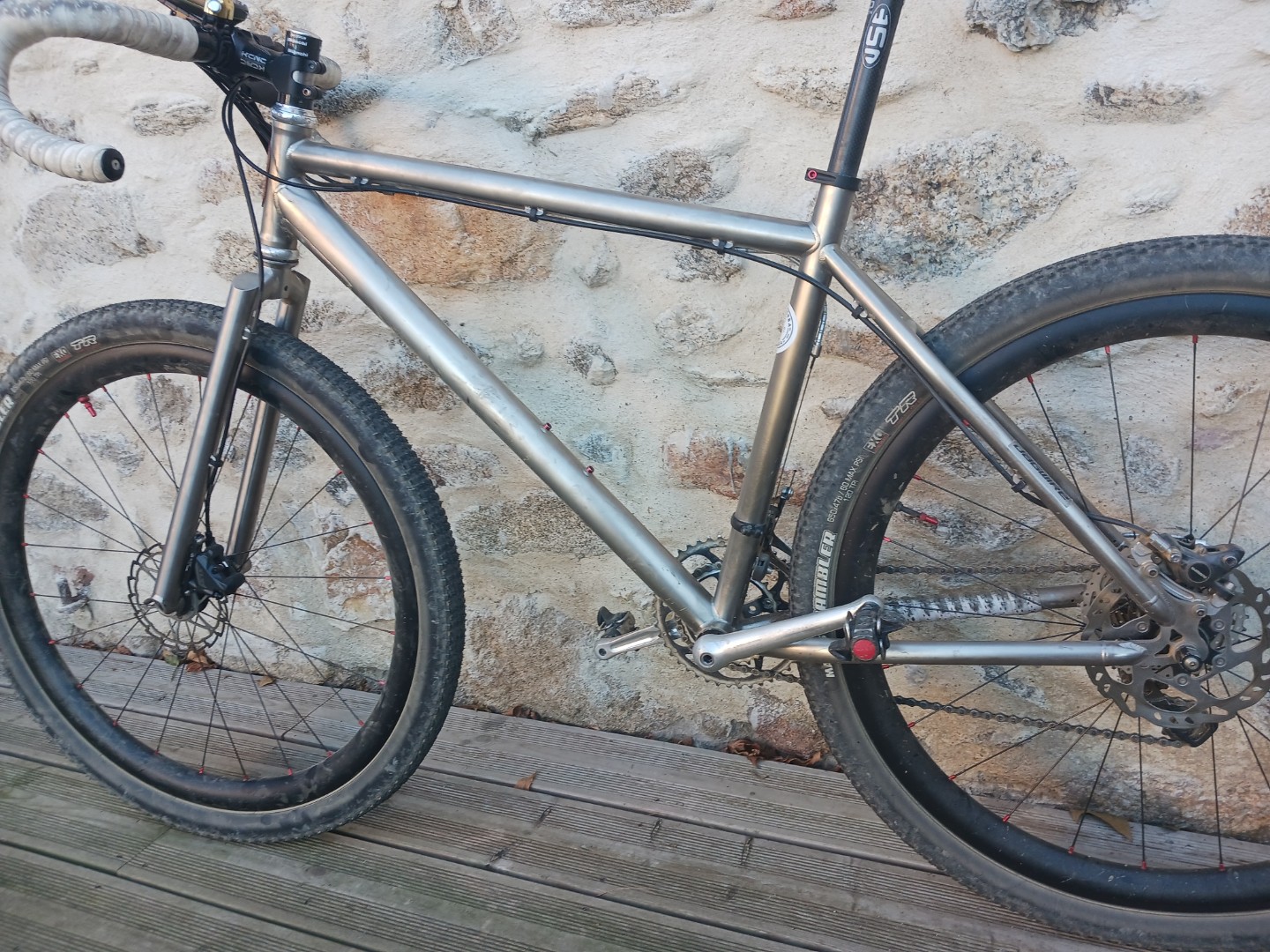
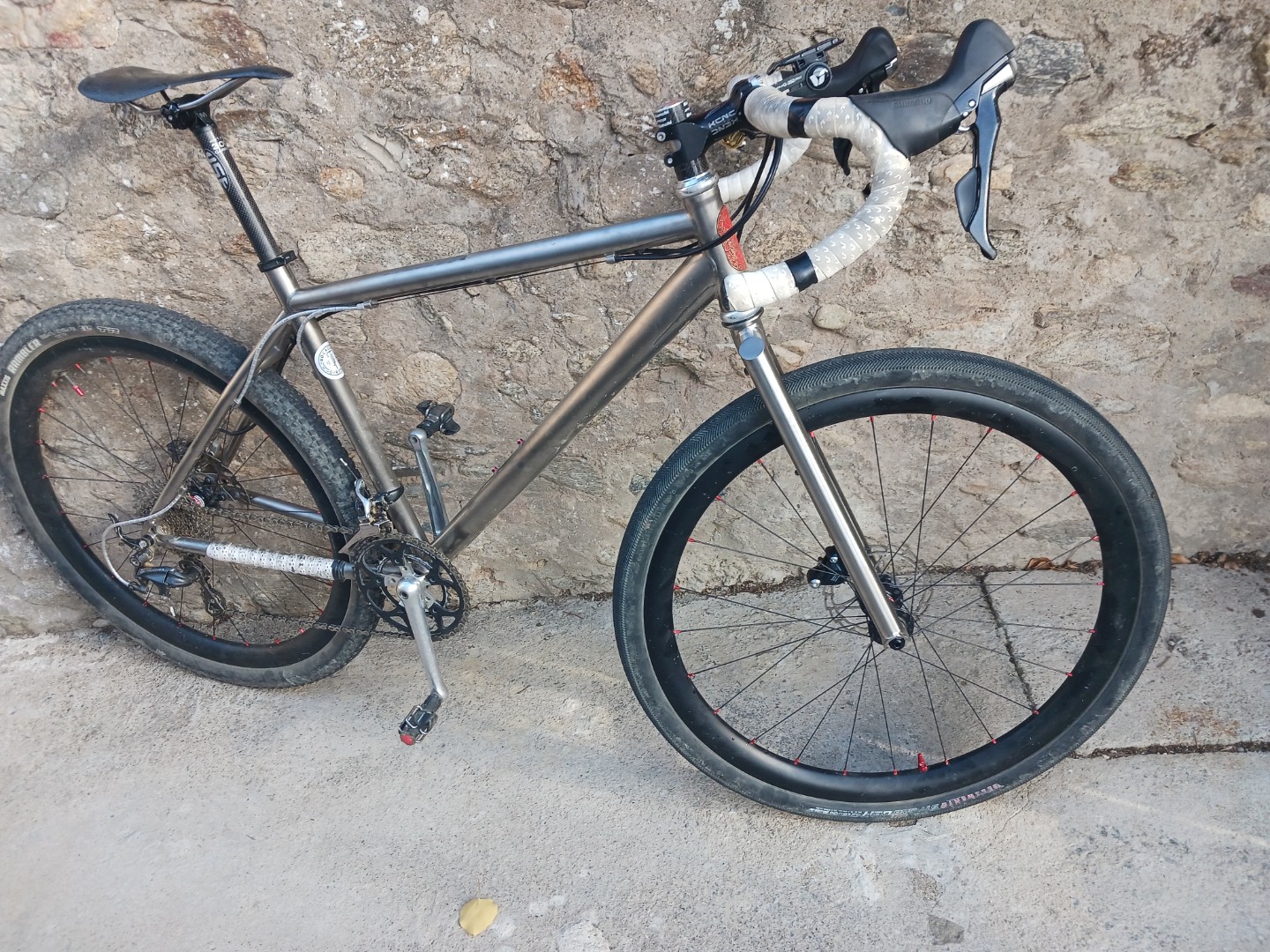
This also falls in line with the general recognition that tires of a similar construction are going to have similar rolling resistance when air is adjusted to have a similar riding comfort level / deflection. Anyway, I'm not suggesting that big tires are slower, but just that the numbers may not be as different as that slide of the video suggested w/o understanding the actual pressures being compared.I tend to bristle at youtube content as the nuances get glossed over for shorter attention spans / entertainment value; I don't consider DJ's work to be an exception to that rule. But I also find myself generally agreeing with the video. I can see that MTB tires (and front suspension) could definitely be the faster choice for certain courses. I have a rowdy gravel bike that clears MTB tires and a more traditional-tire-clearance all-road bike that I've typically used for racing. My plan next year is to change it up a bit more and experiment with some larger MTB tires on certain courses. (I don't currently have front suspension, but might consider getting a short-travel front fork; it would change the geometry but since HTA is 71.5º on the rowdy bike, it wouldn't hurt to slacken that a bit for rougher courses.)
ljsmith wrote:Something to keep in mind is that DJ is not just some YouTube influencer. He is a sponsored pro. He has tested this stuff in a wind tunnel (something just an influencer would likely not be able to afford) and done power meter testing with different width tires to verify real world rolling resistance. So even if it is dumbed down for YT, he has actually put a lot of time and effort into this. Jan Heine has been preaching a lot of similar ideas concerning tire rolling resistance for quite a while with a lot of real world testing to back it up.
Sign in to reply — or claim your old account if you posted here before.